

Phobia Treatment in Dallas & Online

A phobia is more than a strong fear. It's the flight you won't book. The doctor's appointment you've canceled three times. The route you take to avoid the highway. The birthday dinner you skipped because you couldn't guarantee you wouldn't feel nauseous.
Phobias work by narrowing your life — slowly, and often quietly — until avoidance feels like the only way to manage. Over time, the fear itself becomes less of a problem than everything you've reorganized around it.
Most people with phobias know, on some level, that the threat isn't proportionate to the fear. That awareness doesn't make the fear go away. What changes it is treatment — targeted, structured, and paced to your specific situation.
Living with a phobia doesn't have to be permanent. At Tella Psychology, we specialize in evidence-based phobia treatment for adults and adolescents, in Dallas and online across 42 states. Most specific phobias respond to treatment. Many people see significant improvement in fewer sessions than they expect.
Living With a Phobia Doesn't Have to Be Your Normal.
Common Phobias We Treat
We treat a wide range of specific phobias, including:
-
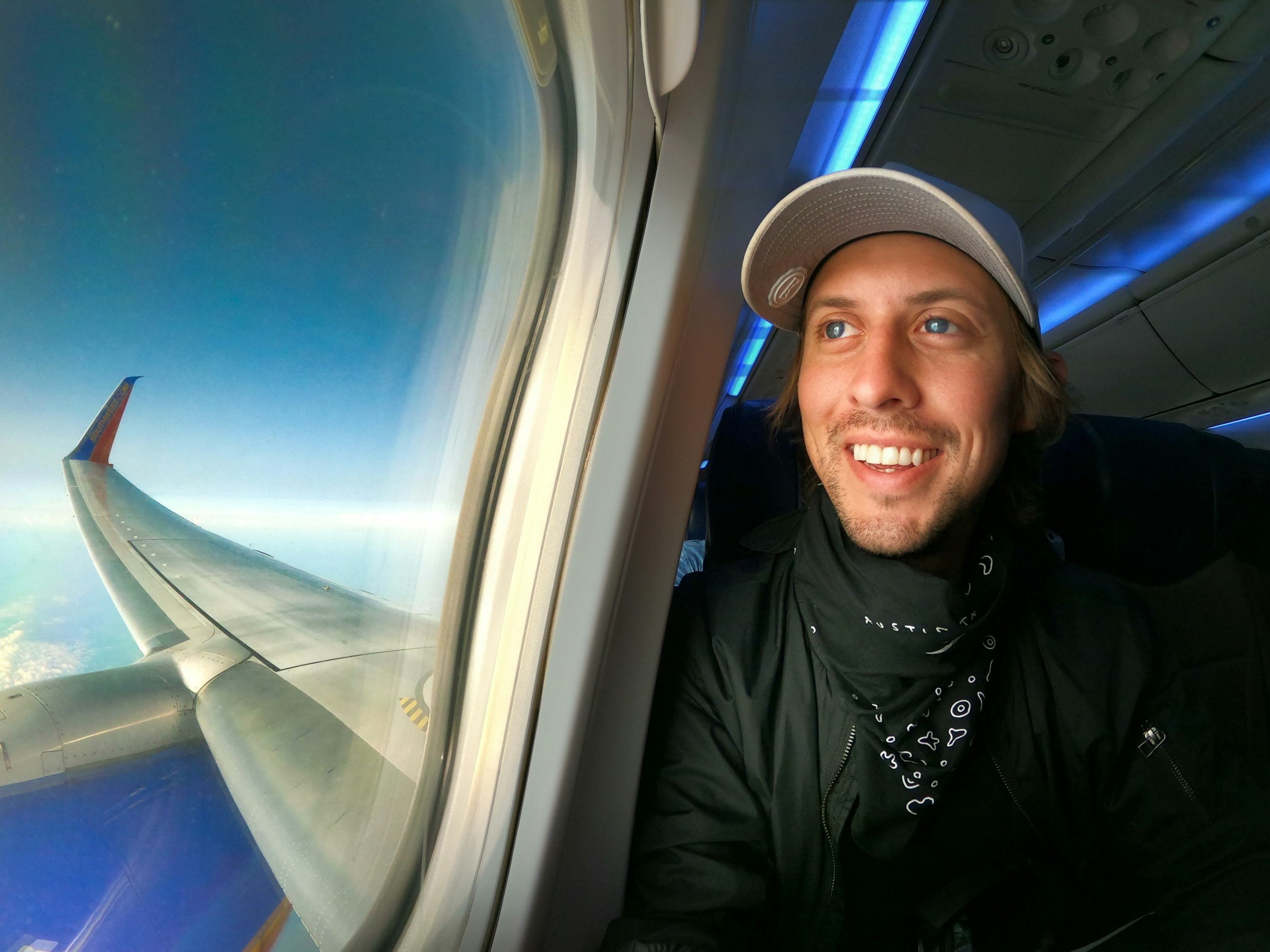
The anticipation can start weeks before a trip — the dread, the "what ifs," the white-knuckled grip through turbulence. Fear of flying is one of the most common specific phobias and one of the most treatable.
-
Emetophobia can shape nearly every part of daily life — what you eat, where you go, whether you travel, how you parent. It is often misunderstood and undertreated, but it responds well to structured phobia therapy.
-
Avoiding blood draws, vaccines, or medical procedures because of fear of needles is more common than most people realize. This phobia has a distinct physiological pattern — and targeted treatment works.
-
Driving phobia can develop after an accident, a near-miss, or gradually over time without a clear trigger. It can restrict work, relationships, and independence in significant ways.
-
Animal phobias often start in childhood and persist into adulthood. Even when you know the animal is not dangerous, the fear response can be immediate and overwhelming.
-
Avoiding necessary medical or dental care out of fear has real consequences for physical health. This phobia is highly treatable and one we work with regularly.
-
Heights phobia ranges from discomfort on ladders to being unable to approach high floors, bridges, or open balconies. It often limits travel, work, and recreational activities.
-
Fear of thunder, lightning, or severe weather can cause significant distress — especially when it disrupts sleep, work, or daily functioning during storm seasons in Texas.
-
Fear of enclosed spaces — elevators, MRIs, tunnels, crowded rooms — can make ordinary situations feel impossible. Claustrophobia often intensifies over time without treatment.
-
When worry about illness becomes consuming — constantly checking symptoms, seeking reassurance, avoiding medical information — health anxiety can take on many of the features of a specific phobia.
-
This is not a complete list. If you have a fear that is significantly affecting your daily life, it is worth a conversation. Most specific phobias are treatable with the approaches we use.

Most phobias are not just “irrational fears” people should be able to push past. They are deeply conditioned threat responses that can shape daily routines, relationships, travel, medical care, work, and overall quality of life. Even when someone knows the fear is disproportionate, their body may still react as if the danger is immediate and real.
That is why effective phobia treatment focuses on more than reassurance. The goal is to understand what is maintaining the fear, reduce avoidance, and help your nervous system respond differently over time. With the right treatment plan, many phobias become highly treatable.
At Tella Psychology, we work with a range of specific phobias, including fear of flying, emetophobia, needle phobia, driving phobia, animal phobias, medical and dental phobias, claustrophobia, fear of heights, fear of storms, and health-related fears. Treatment is tailored to your specific triggers, history, and goals.
During your consultation, we will talk through the phobia you are dealing with, how it is affecting your life, and which treatment approach may be the best fit.
How Phobia Treatment Works

Phobia treatment at Tella Psychology is not about being pushed through your fear before you are ready. It is collaborative, paced, and tailored to your specific phobia, history, and goals. We draw on two evidence-based approaches, depending on your needs and preferences.
-
Exposure therapy is the most well-researched treatment for specific phobias. The underlying principle is straightforward: fear that is avoided tends to grow, and fear that is faced — in a safe, structured way — tends to diminish.
In practice, this means working through a graduated sequence of exposure exercises, starting with whatever feels manageable and building from there. Your specific phobia, your history, and your window of tolerance all shape the process. You are never pushed to a level of exposure you have not agreed to.
Exposure therapy is not flooding. It is paced, supported contact with what scares you — and you don't do it alone. I'm with you through every step, helping you stay regulated, make sense of what your nervous system is doing, and build real confidence that the threat isn't as dangerous as it feels. That active, attuned support is what makes the difference between exposure that works and exposure that overwhelms.
-
Many phobias are connected to a specific memory, image, or experience that became encoded as a threat — even if the original event wasn't objectively dangerous, or even if you can't quite name or locate it. EMDR (Eye Movement Desensitization and Reprocessing) works by helping the brain reprocess that stored memory so it loses its emotional charge.
After EMDR, the phobia trigger can be encountered without setting off the same automatic fear response. The memory doesn't disappear — it just stops feeling like an active threat.
EMDR is particularly effective for phobias tied to a specific incident: a turbulent flight, a childhood encounter with a dog, a traumatic medical procedure, a car accident. If you can trace your phobia to a moment like one of these, EMDR may offer a faster path to relief than you'd expect.
What makes this work feel different here is that EMDR is delivered within a framework built specifically around anxiety — how it works, why it persists, and what the nervous system actually needs to shift. Rather than applying a general trauma protocol to a phobia, we work with precision: targeting the right memory, pacing the reprocessing carefully, and staying attuned to your window of tolerance throughout. You're not just getting EMDR. You're getting EMDR from someone who understands anxiety from the inside out.
Meet Our Psychologists

Tamaki Silver, PsyD
Adults
Dr. Silver works with adults experiencing anxiety and fears that have begun to limit their daily lives. She takes a practical, evidence-based approach to helping clients understand patterns of avoidance, build confidence facing discomfort, and regain flexibility and freedom.
Accepting new clients for online therapy

Jessica Klement, PhD
Teens & Adults
Dr. Klement specializes in anxiety, phobias, sleep, and trauma. She may be an especially good fit for longstanding or intense fears, fears connected to past experiences, or when anxiety has expanded into avoidance that significantly interferes with everyday life.
In-person in Dallas + Online
Waitlist for new individual clients
FAQs
-
A strong fear becomes a phobia when it causes significant distress or starts limiting your life — when you avoid situations, plan around the fear, or experience intense anxiety that feels disproportionate to the actual danger. If a fear is affecting decisions you make, activities you avoid, or your ability to function in daily life, that is worth taking seriously.
-
No. Treatment is paced to your specific situation and your readiness. Exposure-based work follows a gradual hierarchy — starting with whatever feels manageable — and nothing is introduced without your informed agreement. The goal is to create a series of experiences where your nervous system learns to tolerate and ultimately disengage from the fear response. That process works best when it is collaborative, not forced.
-
Most specific phobias respond within 8–16 sessions, though some people see significant improvement more quickly. For single, well-defined phobias without a significant trauma history, progress can be quite fast. For more complex presentations — phobias tied to trauma, longstanding avoidance, or multiple triggering situations — treatment may take longer. We will give you an honest estimate based on your specific situation after the initial evaluation.
-
Yes. We provide telehealth services across PSYPACT states. EMDR and exposure therapy translate effectively to online sessions. Some people find that being in their own environment actually supports the work — particularly for phobias that occur in domestic or familiar settings.
-
Yes. Dr. Klement is trained and experienced in working with adolescents and teens. If you are reaching out on behalf of a younger person, we are glad to discuss what treatment might look like for their specific situation during the consultation.
-
Exposure therapy is one of the most well-established treatments for specific phobias. It involves gradually and intentionally approaching feared situations, sensations, objects, or cues so that fear and avoidance no longer have the same control over your life.
Treatment does not mean being thrown into your worst fear. At Tella Psychology, exposure work is collaborative and individualized, with the pace and exercises chosen based on your particular phobia and goals. EMDR may also be incorporated when exposures are difficult to tolerate or a phobia is connected to a distressing or traumatic experience.
-
EMDR and exposure therapy work in different ways and can sometimes be used together. Exposure therapy involves gradually and intentionally approaching feared situations, objects, sensations, or cues. This helps reduce avoidance and builds confidence in your ability to experience fear without needing to escape or protect yourself from it.
EMDR focuses more directly on distressing memories, images, or experiences that may be contributing to the fear response. It can be especially useful when a phobia developed after a frightening or traumatic experience. EMDR may also be helpful when fear is so intense that someone is having difficulty engaging in exposure work, helping reduce some of the distress that is getting in the way.
For many specific phobias, exposure remains an important part of treatment. Depending on what is driving and maintaining your fear, your psychologist may recommend exposure therapy, EMDR, or a combination of the two.
-
No. Medication does not need to be discontinued before starting phobia treatment. If you are currently taking medication for anxiety and want to eventually taper, that process can be coordinated with your prescribing physician — it is not a prerequisite for starting therapy.
-
Yes. You do not need to know where a phobia came from in order to treat it. Some people can identify a specific experience that started their fear, while others have been afraid for as long as they can remember or developed a phobia without an obvious cause.
Treatment focuses on understanding what triggers the fear now, how avoidance or other protective behaviors may be maintaining it, and what your nervous system needs to learn for the fear to become less powerful. If an important memory or earlier experience emerges during treatment, we can address that as well.
-
Yes. Phobias that have been present for years or decades are still very treatable. Duration alone does not determine outcome. What matters more is whether the maintaining factors — the avoidance, the anxiety, the protective patterns — can be addressed in treatment. They usually can.
Ready to talk through your options?
Schedule a free 20-minute consultation to discuss your specific phobia, ask questions about the treatment process, and find out whether this is the right fit for you.